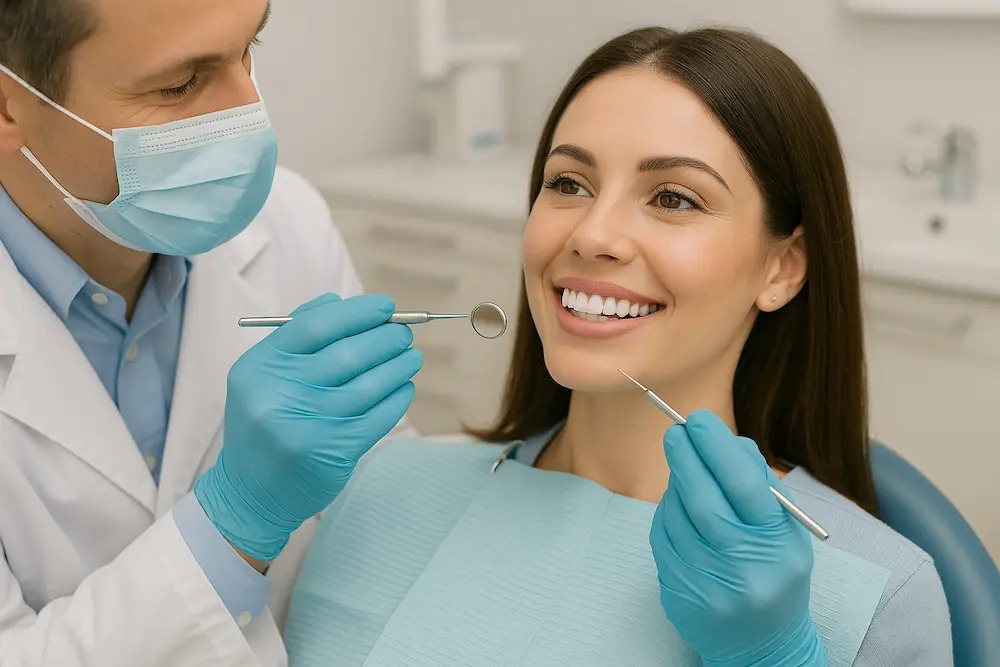






A bright, healthy smile can make a big difference in confidence and overall oral health. While regular dental care is essential, sometimes teeth need extra support and protection. That’s where dental crowns come in. A teeth crown—also known as a dental cap—is a custom-made restoration that covers a damaged, weakened or aesthetically imperfect tooth. Crowns not only improve the appearance of your smile but also restore function, strength and durability.
If you’ve been considering dental crowns, understanding their benefits can help you make an informed decision. In this guide, we’ll explore the top advantages of getting a teeth crown and how it can protect and perfect your smile.
What Is a Dental Crown?
A dental crown is a tooth-shaped cap that fits over a damaged or weakened tooth. It is designed to restore the tooth’s shape, size, strength and appearance. Crowns Gold Coast can be made from a variety of materials, including:
- Porcelain: Natural-looking and ideal for front teeth.
- Ceramic: Durable and aesthetically pleasing.
- Metal (gold or alloys): Extremely strong, best for molars.
- Porcelain-fused-to-metal (PFM): Combines durability with a natural appearance.
Crowns are commonly used after tooth decay, root canal therapy, fractures or for cosmetic enhancements.
Protecting Weakened or Damaged Teeth
One of the most significant benefits of a dental crown is protection. Teeth that are cracked, worn, decayed or weakened can become more vulnerable to further damage. A crown acts like a shield, encasing the tooth and absorbing the pressures of biting and chewing.
How Crowns Protect Your Teeth
- Prevents further decay and damage
- Reduces the risk of tooth fractures
- Restores strength to a weakened tooth
- Supports teeth with large fillings that may otherwise break
By reinforcing the structure of your tooth, a crown can prevent more invasive procedures, such as extractions or implants, down the line.
Restoring Tooth Function
Beyond protection, crowns restore the natural function of your teeth. Damaged teeth can make chewing, biting and speaking difficult or uncomfortable. A crown allows you to eat normally and comfortably while restoring proper alignment and bite.
Functional Benefits Include:
- Even distribution of biting forces
- Prevention of wear on surrounding teeth
- Ability to enjoy a wide variety of foods
- Maintenance of proper jaw alignment
This makes crowns particularly valuable for molars, which endure the most pressure during chewing.
Enhancing Aesthetics and Confidence
Dental crowns aren’t just functional—they also improve the appearance of your teeth. If you have discoloured, misshapen, chipped or uneven teeth, a crown can transform your smile. Modern materials like porcelain and ceramic closely mimic the natural colour, translucency and texture of teeth.
Cosmetic Advantages:
- Creates a uniform and attractive smile
- Masks discoloration or stains
- Corrects minor misalignments or gaps
- Gives a polished, natural appearance
Many patients report a boost in self-confidence after receiving crowns, especially when they enhance highly visible teeth in the front of the mouth.
Long-Lasting Durability
Dental crowns are designed to last. With proper care, a crown can last anywhere from 10 to 20 years, making it a durable and reliable investment in your oral health. The longevity depends on the material used and how well you maintain your teeth and gums.
Tips to Maximise Crown Longevity:
- Brush twice daily with fluoride toothpaste
- Floss carefully around the crown
- Avoid chewing extremely hard foods or ice
- Visit your dentist for regular check-ups and cleanings
A well-maintained crown provides years of protection and function while looking natural.
Supporting Teeth After Root Canal Treatment
Teeth that have undergone root canal therapy are often weakened and more prone to fracture. Placing a crown over a treated tooth strengthens it, restores its shape and protects it from further damage. Without a crown, root canal-treated teeth are at higher risk of cracking, which may necessitate extraction.
Preventing Tooth Shifting
When a tooth is damaged or missing, neighbouring teeth can shift into the gap, causing misalignment. Crowns help maintain proper spacing, support surrounding teeth, and prevent bite problems. By preserving the natural alignment of your teeth, a crown can prevent future orthodontic issues and reduce strain on your jaw.
Improving Speech and Comfort
Missing or damaged teeth can affect pronunciation, leading to speech difficulties. Dental crowns restore the natural shape and contour of teeth, allowing you to speak clearly. Crowns also improve bite comfort, reducing jaw strain and preventing issues like temporomandibular joint (TMJ) discomfort.
Customised to Suit Your Needs
Every dental crown is custom-made to fit your mouth perfectly. This ensures optimal comfort, alignment, and a natural look. Your dentist will take impressions, select the right material, and adjust the crown to match the colour and shape of your surrounding teeth. This level of customisation ensures a seamless addition to your smile.
Minimally Invasive Procedure
While a dental crown requires preparation of the underlying tooth, it is generally a minimally invasive procedure. Compared to full extractions or bridges, crowns preserve much of the natural tooth structure while providing maximum protection and function.
The Typical Procedure:
- Tooth preparation and shaping
- Impressions or digital scans
- Temporary crown placement
- Permanent crown fitting and adjustments
Most patients experience minimal discomfort and can resume normal activities quickly.
Investing in Long-Term Oral Health
Dental crowns are not just cosmetic; they’re an investment in long-term oral health. By protecting vulnerable teeth, restoring bite function, and maintaining alignment, crowns help prevent more complex dental problems in the future. They also reduce the risk of costly procedures such as implants, bridges or dentures.
Final Thoughts
Dental crowns are a versatile, durable, and aesthetically pleasing solution for a wide range of dental issues. From protecting weakened teeth and restoring function to enhancing your smile and confidence, crowns offer numerous benefits that make them a valuable addition to your oral care plan.
Whether you’re dealing with decay, a fractured tooth, root canal treatment, or cosmetic imperfections, a dental crown can help you maintain a healthy, functional and beautiful smile for years to come. By consulting with your dentist and choosing the right material and style, you can protect your teeth while achieving the polished, confident smile you deserve.
With proper care, crowns provide long-lasting results, allowing you to eat, speak and smile without compromise. Investing in a dental crown is more than just a treatment—it’s an investment in your oral health, comfort and confidence.